 By LCTeam
 Bulletproof vests—also called ballistic vests or body armor are widely used for safety by security guards, business owners, journalists and private citizens. Wearing body armor is legal for most people, but there are important restrictions, especially for individuals with felony convictions or those involved in criminal acts.
Understanding these rules is essential, because violations can lead to serious federal or state penalties.
Wearing a Bulletproof Vest Is Legal for Most People
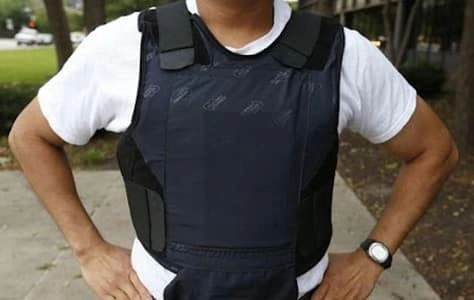
There are no federal laws that prohibit ordinary, law-abiding citizens from owning or wearing bulletproof vests. Whether someone wants protection at work, during travel, or for personal safety, wearing body armor is generally lawful in all 50 states.
People who may legally wear body armor include:
- Security personnel
- Store owners
- Private citizens concerned about safety
- Journalists covering dangerous events
- Hunters using protective gear
- Ride-share drivers in risky areas
In most situations, simply wearing a vest in public is not suspicious or illegal.
Major Restrictions: Felons and Criminal Use
Although ownership is widely allowed, several important legal restrictions apply.
A. Federal Law: Felons Cannot Possess Body Armor
Under 18 U.S.C. § 931, convicted felons are prohibited from purchasing, owning, or wearing body armor, unless they receive specific written permission from their employer and the Secretary of the U.S. Attorney General.
Violating this federal law can result in:
- Felony charges
- Up to 3 years in federal prison
- Additional penalties if body armor is used during another crime
This restriction is the most significant nationwide limitation.
B. Using a Bulletproof Vest While Committing a Crime
Nearly every state increases penalties when body armor is worn during:
- Robbery
- Assault
- Burglary
- Drug trafficking
- Gun crimes
For example, someone who commits a robbery while wearing a bulletproof vest may face:
- Additional felony charges
- Mandatory sentencing enhancements
- Longer prison terms
The law treats the vest as evidence of intent to engage in dangerous criminal behavior.
C. State-Specific Restrictions
Some states impose additional limits, such as:
- Banning body armor on school grounds
- Prohibiting felons from simply being in the presence of body armor
- Requiring ID for purchase
Though most states allow vest ownership, penalties for misuse vary.
Buying Bulletproof Vests
Purchasing body armor is legal for most people, but the process depends on the state and seller.
Legal Ways to Purchase:
- Online retailers
- Law-enforcement equipment suppliers
- Tactical gear shops
- Licensed security vendors
Most states allow over-the-counter or online purchases without a background check.
States With Special Rules:
Some states restrict delivery of body armor, requiring in-person purchase to prevent sales to restricted individuals (usually convicted felons). Retailers may also voluntarily check ID.
Wearing Bulletproof Vests in Public
Simply wearing a bulletproof vest in public—stores, streets, events—is generally legal. However:
- Wearing tactical gear may draw police attention
- Some private venues may prohibit it
- Schools and government buildings may have specific rules
There is no federal law outlawing public wear, but context matters.
When Wearing Body Armor Can Lead to Arrest
Wearing a vest becomes unlawful when:
- You are a convicted felon
- You are committing or attempting a crime
- The vest is worn in a restricted area
- The vest is used to evade police or obstruct arrest
In these scenarios, police may charge you with additional crimes beyond the underlying offense.
Conclusion
Wearing a bulletproof vest is legal for most people in the USA, and millions use them for safety and personal protection. However, strict federal laws prohibit possession by felons, and nearly every state enhances penalties when body armor is worn during criminal activity. As long as the wearer is law-abiding and not using the vest for illegal purposes, owning and wearing body armor remains completely lawful.