 By LCTeam
 Swearing in public is something most people witness daily at sporting events, in traffic, on sidewalks, or even during stressful moments. But many still ask: Is public swearing illegal? It depends heavily on where the language is used, how it is directed, and whether it causes a disturbance. While swearing itself is not automatically a crime, certain situations can turn profanity into a legal issue.
1. Free Speech Protection and Its Limits
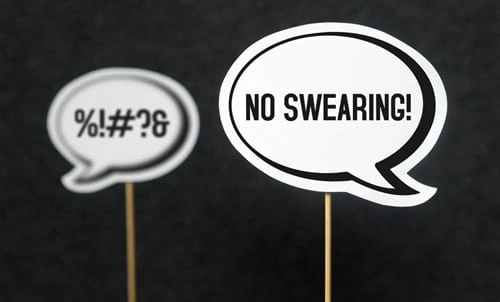
The First Amendment protects a wide range of speech, including offensive or vulgar language. Courts have repeatedly ruled that the government cannot punish someone simply for using profanity in public. This means generic swearing—such as expressing frustration or using coarse language not aimed at anyone—is generally lawful.
However, free speech is not absolute. Certain categories of speech, even if profane, can cross legal boundaries.
2. When Swearing in Public Becomes Illegal
Swearing becomes unlawful only when it falls into one of several specific legal categories.
A. Disorderly Conduct
Many states have disorderly conduct or “breach of peace” laws that prohibit:
- Loud, aggressive, or threatening profanity
- Behavior that causes public alarm or disturbance
- Words likely to provoke violence
For example, screaming vulgar insults at random people in a crowded place may result in a disorderly conduct citation.
B. Fighting Words
“Fighting words” are defined as direct, personal insults that are likely to provoke an immediate physical reaction. The Supreme Court has held that fighting words are not protected under the First Amendment.
For example:
- Calling someone a severe insult while confronting them aggressively
- Using profanity intended to provoke a fight
Merely swearing near someone is not enough—there must be intent or likelihood of immediate violence.
C. Harassment or Threats
Profanity becomes illegal when used in:
- Stalking
- Harassment
- Threatening communications
- Verbal abuse directed at specific individuals
Even a single profane statement can be unlawful if it contains a threat or is part of a pattern of harassment.
D. Swearing at Police Officers
Unlike many people assume, most states allow individuals to curse at police officers verbally, as long as:
- There is no threat
- There is no physical interference
- The speech does not escalate into disorderly conduct
Courts have repeatedly ruled that offensive words alone do not justify arrest. However, officers may still charge someone if the swearing is combined with aggressive behavior, refusal to comply with lawful commands, or if it causes a public disturbance.
3. Special Situations Where Swearing May Be Restricted
A. Schools
Public schools may discipline students for profanity because schools can enforce conduct rules to maintain order. This is not a criminal violation but a school policy issue.
B. Broadcasting and Public Performances
Profanity on radio or television may violate FCC rules, but this applies to broadcasters—not individuals speaking in public spaces.
C. Workplaces or Businesses
Employers or businesses can set their own conduct rules, but violating them is not a criminal offense unless it escalates to threats or harassment.
4. Penalties for Illegal Public Swearing
When profanity crosses into criminal conduct, penalties vary by state but may include:
- Fines ranging from $25 to several hundred dollars
- Community service
- Court-ordered behavior classes
- Misdemeanor charges in severe cases
Most public swearing incidents result in minor citations, not jail time.
5. Practical Guidance
To avoid legal issues:
- Avoid directing profanity at specific people
- Do not use aggressive or threatening language
- Stay calm during conflicts
- Be cautious when interacting with law enforcement
- Remember that context matters more than the words themselves
Conclusion
Swearing in public is not automatically illegal. Profanity becomes a legal issue only when it causes a disturbance, threatens someone, or is used as “fighting words.” The First Amendment protects offensive language, but not aggressive or harmful conduct. Understanding the difference can help you avoid unnecessary legal trouble while exercising your right to free expression.