 By LCTeam
 Scattering a loved one’s cremated remains sometimes called “spreading ashes” is a common way to honor their memory. But, doing so in the U.S. is not as simple as dumping ashes wherever you please. Federal and state laws, along with local agency regulations, govern where, how, and when you can legally spread human ashes.
Here is what you need to know from a legal standpoint.
No General Federal Ban — But Federal Land Has Rules
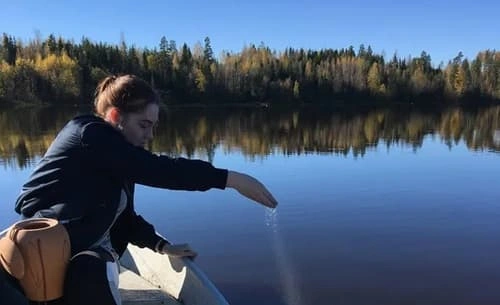
There is no blanket federal law that forbids the scattering of human ashes altogether. However, when the location is federal land, especially national parks, more stringent rules apply.
- The National Park Service (NPS) regulates scattering under 36 C.F.R. § 2.62, which states that scattering is “prohibited, except pursuant to … a permit or in designated areas.”
- For example, at Great Falls Park (VA), the NPS requires a permit. They further require that ashes be spread so they are sufficiently dispersed — no recognizable bone fragments — and only in undeveloped areas a certain distance from water or trails.
- The Bureau of Land Management (BLM) treats non-commercial scattering as “casual use,” provided that the activity does not disturb resources. Scattering must often be done away from roads, trails, and water, and without leaving any permanent markers.
- Thus, on federal lands, you need to check the specific land manager’s rules and often obtain a permit.
State and Local Laws Vary Widely
Whether you can scatter ashes on state parks, private property, or other public land depends heavily on state and local regulations:
- In many states, scattering cremated remains on private property is legal — as long as you have the landowner’s permission.
- State law may also impose environmental or zoning conditions. For example, in North Carolina, ashes may be scattered on private land with permission, and state health rules govern scattering over water.
- Local park districts or city governments may require permits for public scattering or restrict scattering to specific “designated areas” to avoid nuisance or environmental damage.
Because local rules differ so much, whether scattering is legal often depends on the exact location and the governing authority.
Scattering Ashes Over Water or at Sea
If you plan to scatter ashes over water, additional federal and state laws come into play:
- The Environmental Protection Agency (EPA) regulates scattering at sea under the Marine Protection, Research, and Sanctuaries Act. Ashes must be released at least three nautical miles from shore, and any non-biodegradable container must be removed.
- After ocean scattering, the EPA typically requires notification within 30 days.
- For inland waterways (rivers, lakes), state or local environmental agencies often set their own rules, which may include permits or restrictions.
Scattering From the Air
Some people scatter ashes from a plane, but that carries legal risk:
- Federal aviation rules (FAA) prohibit dropping objects that might pose a hazard to people or property.
- Cremated remains are not considered a hazardous material, but you need to ensure ashes are fine enough to disperse safely.
- Also, avoid dropping ashes over populated or sensitive areas, as it may violate aviation or local laws.
Other Legal Risks
- Trespassing: Scattering ashes on private land without the owner’s permission can lead to trespassing charges.
- Littering / Public Nuisance: In areas where no proper permit or authorization is obtained, scattering ashes could be treated like littering or creating a public nuisance.
- Respecting Public Lands: Permits on federal lands often require ashes to be scattered in a way that they “disperse their identity” — recognizable bone fragments may be prohibited.
Practical Advice
- Check With Relevant Authorities: Before scattering, contact the land manager (e.g., NPS, BLM, or local park) to confirm permit requirements.
- Have Permission: On private property, get written permission from the landowner to avoid trespassing claims.
- Disperse Ashes Properly: Spread ashes so no identifiable bone fragments remain. Most regulations require proper dispersal.
- Consider Environmental Rules: For scattering in water: follow EPA distance rules; for scattering on water, check state waterway rules.
- Avoid Leaving Markers: Many agency permits prohibit leaving urns, monuments, or memorial items at the scatter site.
Conclusion
It is not inherently against the law to spread human ashes, but it is subject to a complex patchwork of regulations. Whether you’re scattering on private land, public land, national parks, or over water, you must check and follow the rules for that location. Scattering without permission or in violation of local or federal rules can lead to fines or other legal consequences. To honor a loved one’s ashes with respect and legality, make sure you carefully plan, secure any required permits, and respect environmental and property laws.