 By LCTeam
 No, simply not owning an ID is not illegal, but certain situations do require you to present identification by law. In everyday life, government-issued identification is often necessary—whether to drive, board a plane, buy age-restricted products, or interact with law enforcement. Failing to meet those legal requirements can lead to fines, penalties, or even arrest in specific scenarios.
Understanding where the law draws the line helps avoid unnecessary conflict with authorities and prevents legal trouble.
Is It Illegal to Simply Not Have Identification?
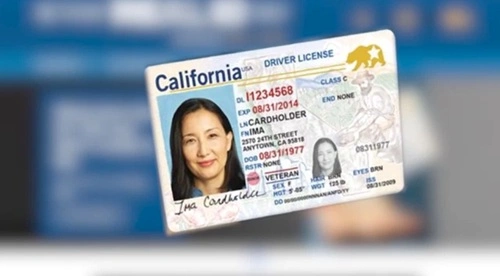
In the U.S., there is no federal law requiring citizens to always possess identification. You are not breaking the law by walking around, living your day-to-day life, or being at home without any physical ID.
There is no legal requirement to:
- Carry an ID at all times
- Own a driver’s license (unless you drive)
- Have a state-issued ID if you are not engaged in ID-required activities
However, the moment you do something that legally requires identification, the rules change.
When It Is Illegal Not to Have an ID
1. Driving a Vehicle Without a License
Driving is the most common situation that legally requires ID.
Every state mandates:
- A valid driver’s license
- Proof of insurance (in most states)
If a driver cannot provide a license when pulled over, this can lead to:
- Fines
- Vehicle impoundment
- Court appearance
- Possible arrest
Driving without valid ID is illegal, even though simply existing without ID is not.
2. Failure to Identify Laws (Stop-and-Identify States)
About half of U.S. states have “stop-and-identify” laws, allowing police to require a person to provide their name, not necessarily physical ID, during a lawful stop.
Important notes:
- You are not required to have a physical ID card.
- You must verbally identify yourself in these states if lawfully detained.
- Refusing can result in arrest for obstruction.
States without these laws cannot force you to identify yourself unless you are driving or suspected of a crime.
3. Airport Travel under REAL ID (2025)
By 2025, the federal REAL ID Act is fully enforced.
To board a domestic flight, you must have one of the following:
- REAL ID-compliant driver’s license or state ID
- Passport
- Military ID
- DHS-trusted traveler card (e.g., Global Entry)
Showing up at an airport without valid ID means you cannot fly, and TSA may deny access entirely.
This is not a crime, but it limits your ability to travel.
4. Purchasing Age-Restricted Items
For buying:
- Alcohol
- Tobacco
- Firearms
- Some medications
Retailers are legally required to verify age or identity.
Not having ID doesn’t result in criminal charges, but the seller cannot complete the transaction.
5. Employment Eligibility
Federal law requires employers to verify identity and work authorization using the I-9 form.
If a person cannot provide acceptable identity documents, they cannot be legally hired.
Again, this is not “illegal,” but it restricts employment options.
What About Being Stopped by Police Without an ID?
If you are not driving, and you are not in a stop-and-identify state, you generally do not have to produce ID.
However:
- Police may detain you longer to confirm your identity.
- Giving false information is a crime in every state.
Simply lacking an ID is not a criminal offense, but cooperation can reduce complications.
Conclusion
No, it is not illegal to live without an ID. But certain activities—driving, flying, purchasing restricted items, or applying for a job legally require identification. In these situations, failure to have appropriate ID can lead to denied services, penalties, or arrest.