 By LCTeam
 Bats are more than just night-flying creatures they play a crucial role in ecosystems by controlling insects and pollinating plants. But from a legal standpoint, harming or killing bats in the U.S. is a serious matter, and in 2025, it’s not always legal. Whether killing a bat is against the law depends on the species, location, and how it’s done. There are important federal laws, as well as many state-level protections.
Federal Protections Under the Endangered Species Act
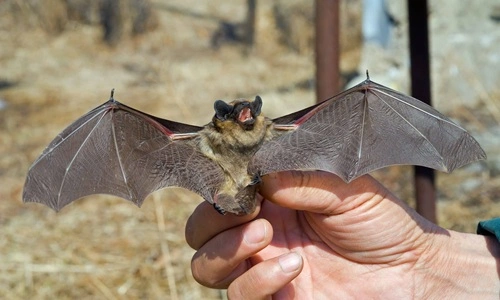
The Endangered Species Act (ESA) provides strong legal safeguards for certain bat species. Under Section 9 of the ESA, it is illegal to “take” a listed bat species — and “take” is broadly defined to include killing, harming, harassing, trapping, or capturing.
If you kill a bat that’s protected under the ESA, such as the northern long-eared bat or the Indiana bat, you can face civil and criminal penalties. Federal penalties may include up to $50,000 in fines and up to one year in prison for a misdemeanor violation.
In some situations, you can get a permit to “take” endangered bats legally for example, through an incidental take permit, which allows certain harm if it’s part of a regulated activity and tied to a conservation plan.
State Laws Also Matter
Federal law is only part of the picture. Many states have their own wildlife protection laws, and bats are often classified as non-game or protected wildlife, meaning you cannot legally kill or possess them without proper authorization.
- Wisconsin: It is illegal to intentionally kill or possess bats unless you have a nuisance control permit from the Department of Natural Resources.
- Michigan: Certain species of bats are protected under state law, and killing them without a permit is a violation.
- South Dakota: Bats are listed as non-game species, and you generally cannot kill them without state permission.
These protections can include restrictions on lethal removal, especially of roosting bats, or rules against disturbing their habitats during sensitive periods.
Why These Laws Exist
There are multiple reasons for these legal protections:
- Ecological Importance: Bats help control insect populations and pollinate plants.
- Population Decline: Many bat species are in trouble due to white-nose syndrome, a fungal disease that has killed millions of bats across the U.S.
- Habitat Sensitivity: Roosts like caves, trees, or attics are important for bat survival. Disturbing these habitats can kill or displace bats.
What If a Bat Gets into Your House?
Encountering a bat in your home is scary and raises real health concerns. But even then, you can’t just kill it—and doing so may be against the law.
- In many places, the only legal method for removing bats is exclusion, meaning installing devices that let bats leave a building but prevent their return.
- If you want to remove or exclude bats, you typically need permits.
- Killing a bat without a permit can lead to fines or criminal liability, especially if it’s a protected species.
- Some states do allow for certain limited actions if there’s a public health risk, but even then, it’s often regulated and requires consulting wildlife or public health authorities.
Consequences of Illegal Bat Killing
If someone kills a bat illegally:
- Under the ESA, they may face federal fines and even jail time.
- State-level penalties may also apply, including fines (in some states, thousands of dollars) and potential criminal charges.
- Additionally, killing bats may violate other state wildlife conservation laws or ordinances related to habitat protection.
What to Do Legally If You Have a Bat Problem
If bats are roosting in your attic or building:
- Contact a wildlife removal professional — ideally one who specializes in bat exclusion, not extermination.
- Check local and state laws — find out what permits or restrictions apply where you live.
- Avoid lethal methods unless legally authorized — use exclusion devices or other nonlethal strategies whenever possible.
- Report protected bat species — if you believe the bats are federally protected, notify your state wildlife agency or U.S. Fish & Wildlife Service before taking any action.
Conclusion
Yes, it can be against the law to kill bats in the U.S., depending on the species, location, and how the killing is done. Many bats are protected at the federal level under the Endangered Species Act, and even non-listed bat species may be protected by state wildlife laws. Illegal killing can lead to serious penalties, including fines and criminal charges.