 By LCTeam
 Police scanners have long fascinated hobbyists, journalists, and emergency-preparedness enthusiasts. With modern technology, access to police communications has become easier than ever through handheld scanners, smartphone apps and online streaming platforms. However, several important restrictions apply, especially when it comes to using a scanner in a vehicle, using it during a crime, or accessing encrypted channels.
Understanding these laws is essential to avoid serious legal trouble.
Owning a Police Scanner Is Legal Under Federal Law
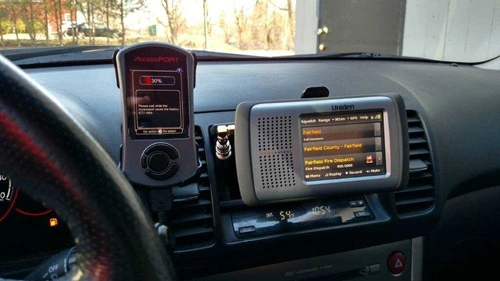
There is no federal law that bans citizens from owning or listening to a police radio scanner. As long as you are accessing unencrypted, publicly broadcast radio frequencies, possession and passive use of a scanner is legal.
This includes:
- Handheld police scanners
- Home base-station scanners
- Scanner smartphone apps
- Online scanner feeds
Federal law supports public access to unencrypted radio communications. However, once you go beyond mere listening, the law becomes stricter.
Encrypted Police Radio Is Off-Limits
While you can legally listen to unencrypted channels, decrypting or attempting to decrypt encrypted police communications is illegal.
Trying to bypass encryption can lead to:
- Federal wiretapping charges
- Computer-crime charges
- Felony penalties
In many cities in 2025, more police departments are switching to encrypted digital systems. When that happens, the public cannot legally access those communications unless the agency provides an official feed.
Using a Police Scanner During a Crime Is Illegal
Even though owning a scanner is lawful, using one to assist in committing a crime is a serious offense. Nearly every state has statutes enhancing penalties when a scanner is used during:
- Burglary
- Robbery
- Theft
- Drug trafficking
- Escape from police
- Any felony offense
In many states, simply possessing a scanner while committing a crime is enough to trigger enhanced charges. Prosecutors often treat scanners as evidence of intent to evade law enforcement.
Police Scanners in Vehicles: State Law Matters
One of the biggest legal traps involves using a police scanner in a vehicle. While federal law does not prohibit this, many states restrict or ban police scanners in cars, especially for non-emergency personnel.
States with strict in-vehicle scanner laws include:
- New York
- Florida
- Indiana
- Minnesota
- Kentucky
- Michigan
In these states, it may be illegal to have a scanner in your car unless you are:
- A licensed radio operator
- A news reporter
- A volunteer firefighter or emergency worker
- Authorized through a state permit
Penalties typically include fines, equipment seizure, and even misdemeanor charges.
Police Scanner Apps and Online Feeds
Millions of people use police-scanner apps. These apps are legal because they only stream unencrypted, publicly available radio traffic. However, the same restrictions apply:
- Using an app to commit a crime is illegal.
- Using an app in a car may be restricted in certain states.
- Accessing or attempting to access encrypted channels is prohibited.
Even though the technology is different, the legal principles are the same as owning a physical scanner.
When Scanner Use Becomes a Legal Problem
You may face legal trouble if you:
- Use a scanner to monitor police location during a crime
- Attempt to decode encrypted signals
- Interfere with radio transmissions
- Operate a scanner in a restricted state while driving
- Use the scanner to evade arrest
Police and prosecutors take misuse seriously.
Conclusion
It is not against the law to have a police scanner, and many people legally use them for hobby listening, public awareness, or emergency preparedness. However, scanner laws become strict when a scanner is used in a vehicle, used during criminal activity, or used in an attempt to intercept encrypted communications.
Owning a scanner is legal misusing it is not. Understanding state restrictions and using scanners responsibly is the best way to stay compliant with the law.