 By LCTeam
 Feeding the homeless is often viewed as an act of compassion, but in the United States, the legality of doing so depends heavily on where, how, and under what conditions the food is distributed. Feeding the homeless is not illegal under federal law, but many states and cities impose regulations that can make certain types of food-sharing activities unlawful if they don’t comply with local rules.
This issue blends public health regulations, municipal ordinances, and constitutional rights, making it more complex than many people realize.
No Federal Law Prohibits Feeding the Homeless
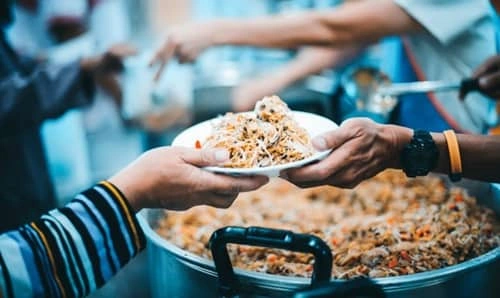
The U.S. government does not criminalize giving food to someone in need. There is no federal statute that bans feeding homeless individuals in public. However, the federal government gives states and cities broad authority to regulate public spaces, public safety, and food distribution.
This is where restrictions come into play.
Local Regulations Are the Real Source of Restrictions
Many cities across the United States have passed ordinances that limit or regulate feeding the homeless in public spaces. These rules do not ban kindness—they target the method of food distribution.
Common local regulations include:
1. Food Safety Rules
Cities may require:
- A food-service permit
- Access to hand-washing facilities
- Food prepared in a licensed kitchen
- Temperature controls for perishable items
Violating these requirements can lead to fines—sometimes several hundred dollars.
2. Public Park or Public Space Restrictions
Some cities prohibit:
- Distributing food in parks without a permit
- Setting up tables, tents, or equipment without authorization
- Holding “large gatherings” without a reservation
These rules are often justified as public safety, park maintenance, or crowd management measures.
3. Time, Place, and Manner Regulations
Local laws may restrict:
- Feeding operations after dark
- Distributions near schools
- Locations where encampments have been an issue
These regulations are typically content-neutral, meaning they apply to all activities—not just food sharing.
Examples of Cities With Restrictions (as of 2025)
Cities known for enforcing public feeding regulations include:
- Fort Lauderdale, Florida
- Las Vegas, Nevada
- Houston, Texas
- San Diego, California
- Atlanta, Georgia
- Philadelphia, Pennsylvania
While these cities have not made feeding the homeless “illegal,” they require compliance with permit rules and food safety regulations, which can be difficult for informal volunteers to meet.
Why Do Cities Regulate Homeless Feeding?
Cities justify these rules by citing:
- Public health concerns (unregulated food, illness risks)
- Sanitation issues (trash accumulation)
- Public safety (crowds gathering suddenly)
- Managing homelessness (discouraging large encampments)
Critics, however, argue that such regulations criminalize charity and do little to address root causes of homelessness.
Are These Restrictions Constitutional?
Courts have weighed in on this issue, and the constitutional landscape is evolving.
In several cases including Fort Lauderdale Food Not Bombs v. City of Fort Lauderdale courts have held that public food sharing can be a form of protected expression under the First Amendment.
However, cities are still allowed to impose reasonable regulations, as long as they are:
- Not discriminatory
- Not targeted at specific groups
- Narrowly tailored to public interests
This means feeding restrictions are enforceable only if neutrally applied and properly justified.
Penalties for Violating Local Food-Sharing Laws
Penalties vary by jurisdiction but can include:
- Fines (usually $100 to $2,500)
- Citations for violating park rules
- Misdemeanor charges in rare cases
- Being removed or banned from certain public areas
Jail time is highly unusual but not impossible if someone repeatedly violates local ordinances.
So, Is It Illegal to Feed the Homeless?
No, not under federal law. But It can be illegal if you violate local regulations.
You are legally allowed to feed the homeless, but you must comply with:
- Food safety rules
- Public park regulations
- Permit requirements
- Time and location restrictions
Understanding local laws is essential for volunteers, charities, churches, and nonprofit groups.
Conclusion
Feeding the homeless remains a compassionate and lawful act in the United States, but regulations vary from city to city. While it is not inherently against the law, failing to follow local ordinances can result in fines or legal trouble.