 By LCTeam
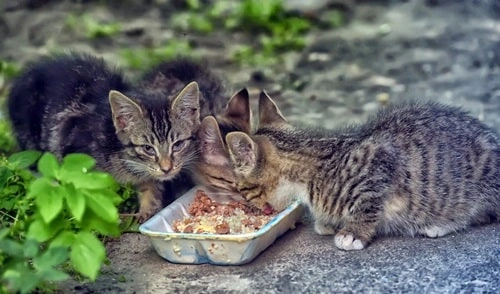
 Feeding stray cats seems like an act of kindness, but in the United States the legality of doing so varies widely. Feeding feral or stray cats is regulated at the local level, and many cities and counties have ordinances that either restrict or completely prohibit the practice. While feeding animals may appear harmless, communities often pass these laws to address public health, nuisance complaints, wildlife protection, and population control concerns.
Understanding these rules is essential because violating local ordinances can result in fines, citations, and even criminal charges in some jurisdictions. The legality of feeding stray cats depends largely on where you live and whether your community has an approved Trap-Neuter-Return (TNR) program or an active animal control strategy.
Why Feeding Stray Cats Is Sometimes Illegal
1. Public Health and Sanitation Concerns
Local governments often regulate or prohibit feeding stray cats due to sanitation issues. Food left outdoors can attract:
- Rodents
- Raccoons
- Coyotes
- Insects
- Additional stray animals
These secondary pests can increase disease risks and create public health challenges. Many municipalities view feeding bans as a way to control these issues.
2. Overpopulation and Colony Growth
Feeding stray cats without sterilization often leads to rapid colony growth. A single unspayed female cat can produce multiple litters per year, leading to dozens of kittens in just a few seasons. As a result, communities may enact feeding bans to prevent uncontrolled population expansion.
3. Wildlife Protection Laws
In some states—such as Florida, California, and parts of the Midwest—feeding stray cat colonies may violate wildlife protection policies, especially in areas where endangered birds or small mammals are at risk. Outdoor cats are considered predatory wildlife, and feeding them may be interpreted as supporting an invasive predator population.
Is Feeding Stray Cats Illegal Nationwide in 2025?
No. There is no federal law banning the feeding of stray or feral cats. However, numerous local and county ordinances impose restrictions. These laws differ significantly by jurisdiction.
Examples of Local Approaches:
- Outright Feeding Bans:
Some cities and neighborhoods prohibit feeding outdoor cats entirely. - Permits Required:
A few locations allow feeding only if the caretaker is registered with animal control or part of an approved TNR program. - Conditional Feeding:
Certain cities permit feeding only during specific hours or only if caretakers clean up leftovers and provide sterilization. - TNR-Friendly Communities:
Many cities encourage managed outdoor colonies if the cats are trapped, neutered, vaccinated, and monitored.
Before feeding stray cats, residents must check their local municipal code or county ordinance.
Penalties for Feeding Stray Cats
Penalties vary widely depending on the location and severity of the violation. A person may face:
- Fines ranging from $25 to over $500
- Multiple citations for repeat offenses
- Mandatory court appearances
- Misdemeanor charges in rare but serious cases
- Civil liability if feeding attracts dangerous wildlife or causes property damage
Some communities may escalate penalties if caretakers ignore repeated warnings.
Feeding Cats Through TNR Programs
Many animal welfare organizations advocate for Trap-Neuter-Return (TNR) as the most humane and effective approach to managing stray cat populations. Cities that support TNR often allow feeding but require caretakers to:
- Spay or neuter the cats
- Provide vaccinations
- Maintain clean feeding areas
- Remove leftover food
- Monitor colony health
TNR programs reduce population growth and improve community relations while avoiding the harsh consequences of blanket feeding bans.
Conclusion
Feeding stray cats may be illegal depending on your local laws. While it is not a federal crime, many municipalities regulate or prohibit feeding due to health, safety, and wildlife concerns. Penalties can include fines, citations, and in some cases, criminal charges.
The safest and most responsible way to help stray cats is to confirm your local regulations and, whenever possible, work through recognized TNR or animal welfare programs. This ensures compliance with the law while supporting humane population control and healthier communities.