 By LCTeam
 Pulling a fire alarm when there is no fire is not merely a prank in many U.S. jurisdictions, it is a serious legal offense. In 2026, activating a fire alarm without a valid emergency can lead to criminal charges, fines, and even jail time. Whether the act is illegal depends heavily on local and state statutes, the intent of the person pulling the alarm, and the consequences of the false alarm.
Why the Law Prohibits Unauthorized Fire Alarms
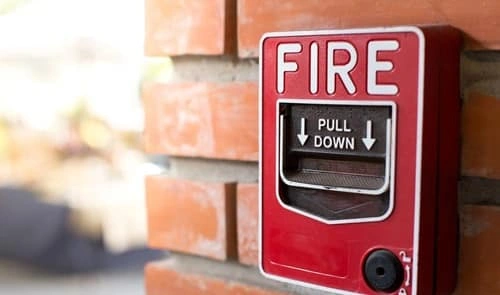
False fire alarms endanger public safety by diverting emergency responders from real emergencies. When fire trucks and personnel are dispatched to a false call, precious resources are wasted and real victims may face delays. Moreover, false alarms can create panic and lead to injuries during evacuations.
Because of these risks, state laws give strong legal teeth to prohibit unjustified activation of fire alarms. Legal commentary emphasizes that pulling a fire alarm “without cause … is a criminal offense” and not a harmless prank.
State Laws: Examples of Liability
Several states explicitly criminalize false fire alarms:
- California: Under Penal Code § 148.4, deliberately activating a fire alarm without legitimate cause is a misdemeanor. A repeat offense or making an alarm that causes injury or death can lead to felony charges.
- Michigan: The Michigan Penal Code (MCL 750.240) makes “raising a false alarm of fire” a misdemeanor punishable by up to 1 year in jail or a fine of up to $1,000
- Utah: According to Utah Code § 76-9-105, knowingly making a false alarm is a Class B misdemeanor, unless the false alarm involves more serious threats or danger.
- Vermont: Under Vermont law (Title 13, § 1751), knowingly sounding a false fire alarm can lead to imprisonment of up to one year, or a fine up to $1,000.
These examples demonstrate the seriousness with which states treat false alarm offenses in 2025.
Other Legal Regimes: Tribal Lands & Federal Context
On tribal lands, false fire alarm regulations can apply under tribal codes or federal regulation. For example, under 25 C.F.R. § 11.430, knowingly causing a false fire alarm is a misdemeanor under Tribal law.
Typical Penalties and Consequences
The penalties for pulling a fire alarm without cause differ by state and by seriousness:
- Misdemeanor: Many first-time or “harmless” false alarm activations are charged as misdemeanors. These can lead to fines (often in the hundreds to a few thousand dollars) and possible jail time.
- Felony: In more serious cases — such as repeat false alarms, or if the false alarm causes injury, death, or substantial property disruption — the offense may be prosecuted as a felony.
- Civil liability: Beyond criminal charges, individuals may be held financially responsible for the cost of emergency response, especially in municipalities that charge for false alarm responses.
What Makes a Fire Alarm “False”?
Not every activation of a fire alarm is illegal. Key factors include:
- Intent: Laws typically require that the person acted “knowingly” or “willfully” when triggering the alarm.
- Belief in danger: Pulling an alarm when a person reasonably believed there was a fire or smoke is not typically criminal. LegalClarity notes that a false alarm must generally be a knowingly false report to be criminal.
- Resulting harm or disruption: More serious charges can apply if the false alarm causes significant disruption, injury, or expense.
Practical Advice and Legal Risk in 2025
- Do not pull a fire alarm as a prank — the legal and societal consequences are serious.
- If you mistakenly pull an alarm (e.g., you thought there was smoke), explain to authorities what happened — honest mistakes are less likely to lead to criminal charges.
- Be aware: buildings with manual pull stations may enforce disciplinary action or criminal prosecution.
- For apartments, schools, or offices, familiarize yourself with local policies and fire safety training.
Conclusion
Yes, pulling a fire alarm without a genuine emergency can be against the law. Many state and local laws treat false alarms as misdemeanors or even felonies, depending on the circumstances. The act is taken seriously because it endangers public safety, disrupts emergency services, and wastes vital resources.