 By LCTeam
 Many people wonder whether doodling, stamping, or writing on U.S. dollar bills is illegal. The legal framework is fairly well-established, you can write on paper money but only up to a point. Whether writing is unlawful depends on how much you alter the bill, why you’re doing it, and whether you intend to make the note unfit for circulation.
Here’s what U.S. law actually says, and where the real risks lie.
The Federal Law: Currency Defacement (18 U.S.C. § 333)
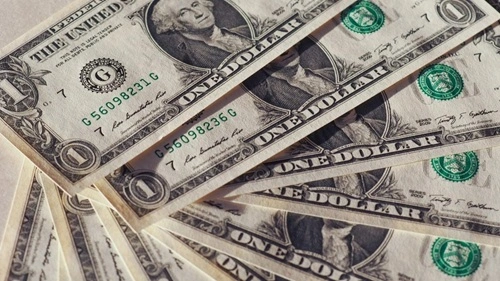
The key statute is Title 18, Section 333 of the U.S. Code, which prohibits defacing or mutilating U.S. currency with the intent to render it unfit for reissuance.
Under this law, it’s illegal to:
- Cut, tear, or perforate a bill
- Disfigure, sandwich or unite multiple bills
- Write or print on a bill if the alteration makes the note unfit to go back into circulation
In short: the intent behind your writing is crucial. A small doodle, signature, or harmless note is typically not a crime — unless your goal is to damage the bill in a way that prevents it from being reused.
Intent Matters: When Writing Crosses the Line
It’s not enough just to scribble on money; courts look at what you intended to do. According to legal analysis:
- Writing for personal or expressive reasons (e.g., stamping a political message) — Generally considered lawful if the bill remains usable.
- Writing to advertise or affix business cards — There’s a separate law (18 U.S.C. § 475) that deals with attaching business or professional notices to currency.
- Writing to defraud or render the bill unusable — If writing causes features like serial numbers, security markers, or denomination to become hard to read, such that the currency can’t be recirculated, that may violate § 333.
What Are the Penalties?
If someone is found guilty under § 333 of defacing currency with unlawful intent:
- They can face fines and/or up to six months in prison.
- The severity depends on how much the note’s functionality is impaired and the intent behind the damage.
That said, minor markings without malicious or destructive intent are less likely to be prosecuted.
Currency Still in Use: What Happens to Defaced Bills
Not all marked money gets thrown away. For bills damaged in everyday use or lightly defaced:
- Banks may exchange marked or torn
- Severely damaged or mutilated currency (e.g., more than half missing, or security features destroyed) may be sent to the Treasury’s Bureau of Engraving and Printing (BEP), where it is inspected and potentially redeemed.
- If the bill has been “mutilated” beyond recognition, the BEP’s Mutilated Currency Division handles it.
Practical Examples: What People Do and Why It’s Usually Safe
- Political or protest stamps on bills (“Stamp Money Out of Politics”) are common and generally legal if the message doesn’t make the note worthless.
- Artists who doodle or paint on bills may be safe if the bill remains identifiable and usable.
- Business owners who print or write ads on currency may run into trouble if they’re using bills like “postcards” or making the bills unfit for ATMs, banks, or recirculation.
Bottom Line
Writing on U.S. currency is not automatically illegal, but you must be careful. A little pen mark or message is unlikely to land you in legal trouble unless your actions render the bill unusable.
If you’re just leaving a note, slogan, or harmless drawing, you’re likely within your rights. But if your goal is to disfigure, confuse, or defraud that’s when the law steps in. Always consider both your intent and the effect on the bill’s usability.